 (Image via
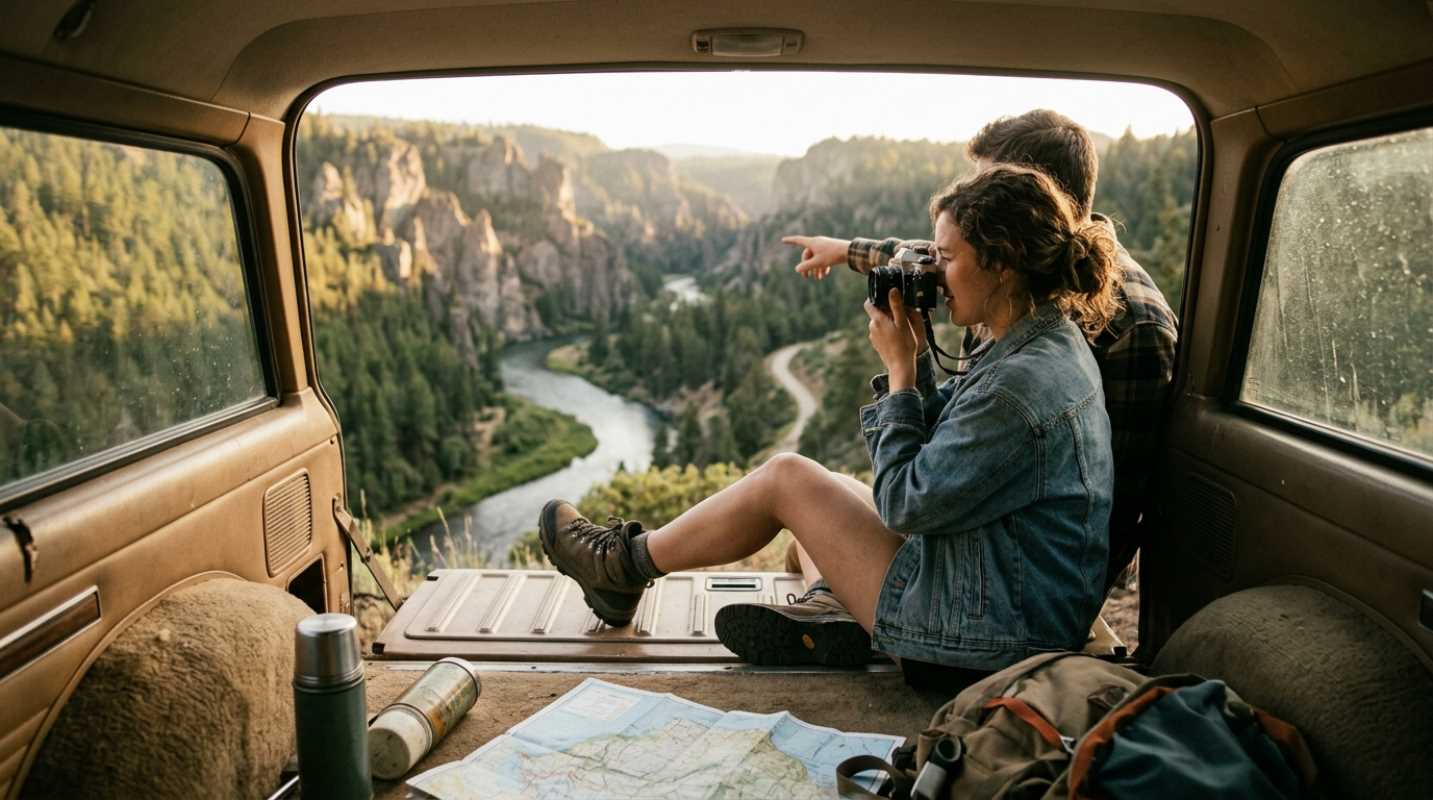
Have you ever stood in a two-hour line just to take a quick photo of a famous landmark, only to wonder why you spent your hard-earned vacation fighting crowds? You aren't alone. Travel is undergoing a major shift as more of us choose quiet backroads over packed tourist corridors.
Recent travel data shows that 63% of travelers plan to visit detour destinations instead of standard city hotspots.¹ People want the joy of missing out on long queues, ticket turnstiles, and souvenir stalls. American Express reports that 79% of travelers now prioritize experiencing local culture away from commercial tourist traps.
When you trade gridlocked city avenues for quiet stone lanes, your entire travel experience changes. You stop rushing between bucket-list checkmarks and start noticing the actual rhythm of daily life.
What Makes a Village Truly Special
What separates a memorable small town from just another highway rest stop? It usually comes down to three things: preserved local architecture, a relaxed pace of life, and a genuine community spirit.
In authentic villages, daily life does not revolve around tour buses. Morning begins with the smell of warm bread from a single family bakery, while neighbors stop on the sidewalk to discuss the weather. The buildings tell stories through weathered timber, local slate, or hand-carved stone rather than cookie-cutter modern concrete.
International organizations have recognized this value. UN Tourism selected 55 rural communities across the globe to highlight destinations that protect their cultural heritage and natural surroundings.² These places prove that sustainable living and historic preservation create far better travel experiences than crowded tourist strips.
Europe's Best-Kept Secrets
If you are planning a trip across Europe, skipping the major capitals reveals remarkable places that feel completely removed from modern travel stress.
In northern Spain, the village of Aínsa sits in the Pyrenees foothills against the backdrop of Monte Perdido national park.³ Its preserved 11th-century stone fortress and quiet plazas offer sweeping mountain views without the crowds you find in coastal resorts. You can spend your morning walking through medieval arches and your afternoon exploring nearby glacial canyons.
Further east, the village of Viscri in Transylvania feels like stepping back into the 18th century. Unpaved dirt roads run past pastel Saxon houses, where local creators still practice traditional ironwork and carpentry beside a 13th-century fortified church. It is a peaceful look at rural traditions that have disappeared from most of the continent.
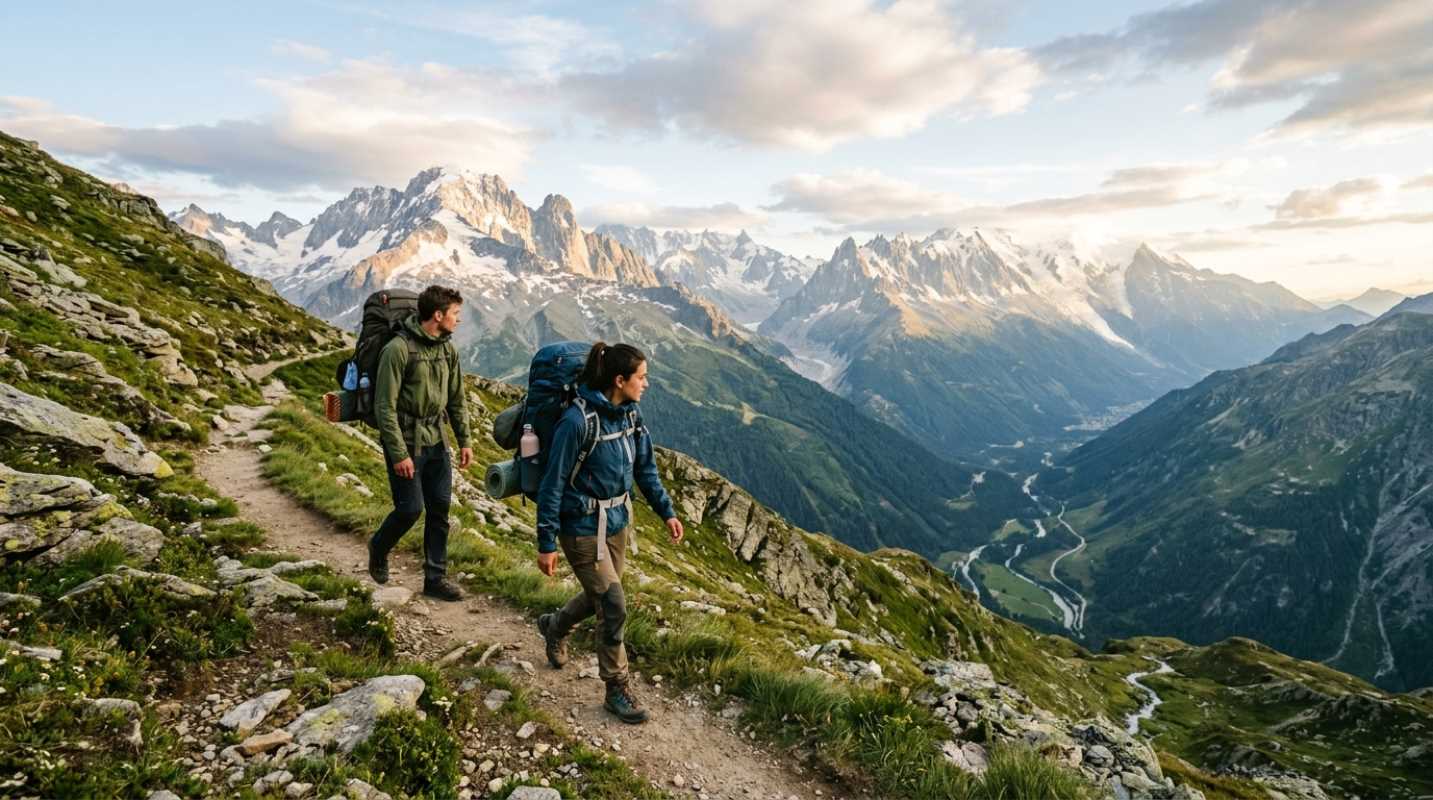
In the Accursed Mountains of northern Albania, the valley settlement of Theth features traditional stone tower houses and rushing waterfalls. It gives hikers a quiet alternative to the packed trail systems of the central Alps.
Getting to these villages takes a bit more effort, but that distance is what protects them. You might need to catch a regional train, ride a local bus, or rent a small car for a winding mountain drive. That extra legwork filters out casual tour groups and leaves you with an authentic, quiet escape.
Planning your escape to a quiet rural getaway is much simpler when you have the right regional stays and local experiences lined up.
Finding Your Own Gem Beyond the Map
You do not need to rely on viral social media posts to find incredible scenic spots. In fact, chasing viral videos is usually the fastest way to end up in a crowded parking lot.
Finding untouched places is all about looking where mass tourism cannot easily fit. Here are a few reliable ways to uncover quiet destinations on your next journey
• Ride regional transit to the end: Look at rail maps from major hubs and take regional trains out to small terminus stations near nature reserves or valleys.
• Ask locals where they spend holidays: When staying in a base city, ask shopkeepers and cafe staff where their families go for quiet weekend getaways.
• Follow regional food specialties: Traditional agricultural products, such as specific cheeses, wines, or olive oils, will lead you directly to small farming communities.
• Slow down your daily schedule: Instead of trying to see three towns in a single afternoon, stay three nights in one valley so you can explore without rushing.
Giving up a strict itinerary gives your brain space to breathe. You will remember a quiet morning coffee overlooking a sleepy valley far longer than an exhausting sprint through five crowded museums.
Responsible Exploration and Preserving the Magic
Small communities have delicate daily routines and limited infrastructure. When you visit a quiet village, your goal should be to support the local residents without disrupting their everyday lives.
Put your money directly into the local economy. Eat at family-owned taverns, stay in locally run guest houses, and buy handmade goods directly from artisans. Respect residential privacy by keeping noise down in narrow residential lanes, and always ask for permission before taking close-up photos of residents.
Visiting during shoulder seasons like spring or autumn is another effective choice. It provides steady income for local businesses throughout the year while keeping streets relaxed and pleasant for everyone. When you travel with awareness and curiosity, you help these scenic treasures thrive for decades to come.
Sources:
1. Expedia Unpack '25 Travel Trends
https://www.expedia.com/newsroom/unpack-25-travel-trends/
2. UN Tourism Best Tourism Villages
https://travindy.com/news/2024/11/best-tourism-villages-2024-by-un-tourism/
3. Aínsa Named Best Tourism Village
https://quebrantahuesos.org/un-tourism-announces-the-best-tourism-villages-2024-55-rural-communities-forge-the-future-of-sustainable-travel-one-of-them-ainsa/?lang=en