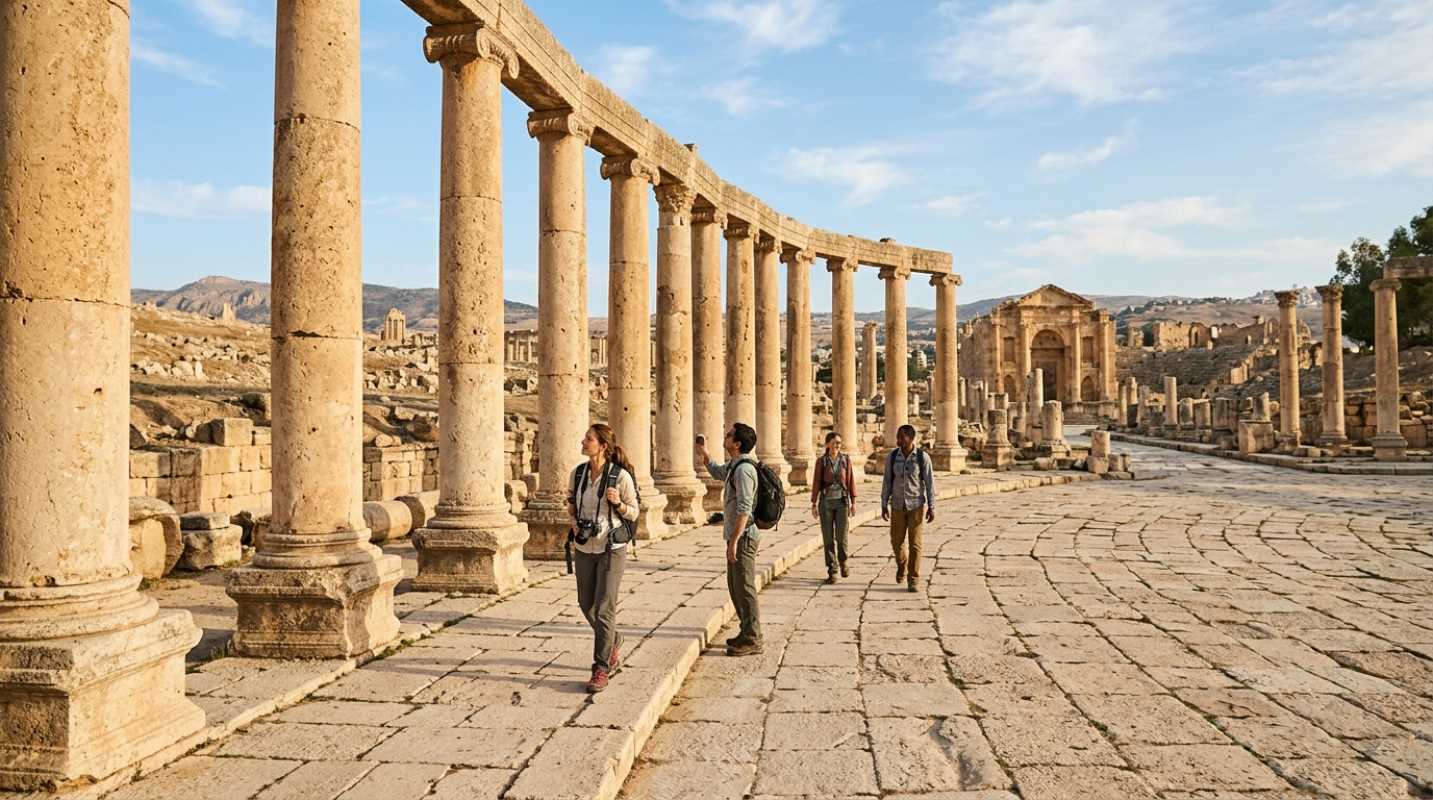
Have you ever stood on a slab of polished limestone and suddenly realized someone carved it thousands of years ago? There is a specific kind of goosebumps you only get when walking through ancient ruins. You are not just looking at a painting behind glass in a museum. You are stepping right into the physical space where emperors walked, trades were negotiated, and daily life unfolded.
Right now is actually a fantastic time to plan an archaeological adventure. Tourism authorities around the globe have spent recent years revamping how these sites operate. They are protecting fragile structures while making the visitor experience smoother and less chaotic. With a little advance planning, you can experience these wonders without feeling like you are getting shoved through a crowded theme park line.
Must-See Ancient Ruins Around the World
If you are building your ultimate travel bucket list, a few iconic places belong right at the top. Each one gives you a totally unique window into human creativity and engineering.
• The Acropolis (Athens, Greece): Perched high above the modern city, this ancient citadel features the Parthenon and the Erechtheion. Greece caps daily visitors at 20,000 people and uses an hourly entry system to keep crowds moving smoothly.¹
• Pompeii Archaeological Park (Campania, Italy): Frozen in time after Mount Vesuvius erupted in AD 79, Pompeii offers a complete look at ancient Roman life. To protect the site from wear, officials set a cap of 20,000 visitors per day and require personalized tickets tied to your legal name.²
• Machu Picchu (Cusco Region, Peru): Tucked away high in the Andes mountains, this 15th-century Incan estate sits 2,430 meters above sea level. Entry is strictly regulated with capped daily tickets ranging between 4,500 and 5,600 visitors depending on the season, and everyone must follow unidirectional circuit paths with a guide.³
• Petra (Ma'an Governorate, Jordan): Famous for its intricate temples carved directly into rose-red sandstone cliffs, this Nabataean capital feels like stepping into another world. Local authorities have expanded eco-friendly electric carts to replace animal transport and help protect the narrow Siq gorge.
• Angkor Archaeological Park (Siem Reap, Cambodia): Spanning over 400 square kilometers, Angkor holds dozens of ancient Khmer temples. Although the full park is massive, specific spots have tight limits. Like, the popular sunset viewing spot at Phnom Bakheng allows only 300 visitors on the structure at one time.
Uncovering the History Behind Famous Ancient Landmarks
It is easy to snap a quick photo in front of a monument and move on. But these places become magical when you stop to learn what actually happened there.
Take Pompeii, like. When you wander its stone streets, you notice deep grooves worn into the rock. Those are wheel ruts left by Roman supply wagons thousands of years ago. You will see thermopolia, which were ancient fast-food counters complete with terracotta jars built into the stone to hold hot meals. It turns out ancient Romans grabbed takeout lunch on their way to work just like we do today.
Or look at Machu Picchu. Incan builders designed stone terraces that stopped soil erosion on steep mountain slopes and survived massive earthquakes. They did all of this without using mortar between the massive stones. The rock blocks fit together so tightly that you cannot slide a thin butter knife between them.
Over in Cambodia, the grand temples of Angkor were supported by an incredibly sophisticated water management network. Engineers created massive reservoirs and canals that controlled seasonal monsoon floods and sustained hundreds of thousands of residents. These places were not just decorative monuments. They were living, breathing urban hubs designed by brilliant minds solving complex problems.
Needed Tips for Visiting Archaeological Sites
Exploring fragile heritage sites comes with real responsibility. Millions of feet walking over old stones every year take a toll. If you want to have a great trip while helping protect these places, keep these practical tips in mind.
• Book your entry months in advance: Most major ruins now operate on strict daily caps and hourly entry windows. Buying tickets direct from official government portals well ahead of your trip is the only way to lock in your spot.
• Practice look don't touch: Human skin secretes natural oils, sweat, and subtle acids. Over time, those tiny secretions react chemically with ancient stone and wall paintings, causing permanent fading and decay. Enjoy the view with your eyes, not your hands.
• Stick strictly to designated paths: Straying off marked walkways compresses the subsoil beneath your feet. That compression causes accelerated surface erosion and can destroy unexcavated artifacts hiding right under the dirt.
• Wear flat rubber-soled shoes: Leave hard cleats, boots with heavy metal spikes, or high heels at home. Flat, rubber soles cushion your steps and reduce friction wear on ancient staircases and stone pavements.
• Pack out every bit of waste: Carry a reusable water bottle and bring all your trash back out with you. Even organic waste like apple cores or banana peels can attract wild animals that dig burrows under delicate stone foundations.
• Hire a certified local guide: Local guides know every hidden detail and shortcut. More importantly, hiring local experts supports the community surrounding the site, making sure travel dollars directly fund regional preservation.
Preparing Your Journey Back into History
Standing in the presence of structures that have survived millennia shifts your perspective. You realize that long before our modern world existed, people were falling in love, building infrastructure, making art, and trying to leave their mark on the planet.
Visiting these places firsthand bridges the gap between old textbook photos and real human history. When you plan ahead, respect local conservation guidelines, and move through these spaces with care, you help protect these extraordinary treasures. So pick a destination, secure your timed ticket, and get ready to step back in time.
Sources:
1. Business Insider
https://www.businessinsider.com/greece-cap-acropolis-tourists-over-tourism-europe-2023-9
2. World Tours Italy
https://www.worldtoursitaly.com/blog/what-you-need-to-know-about-the-2025-visitor-regulations-at-pompeii/
3. Peru Explorer
https://www.peru-explorer.com/machu-picchu-travel-restrictions-2025-your-ultimate-guide.htm