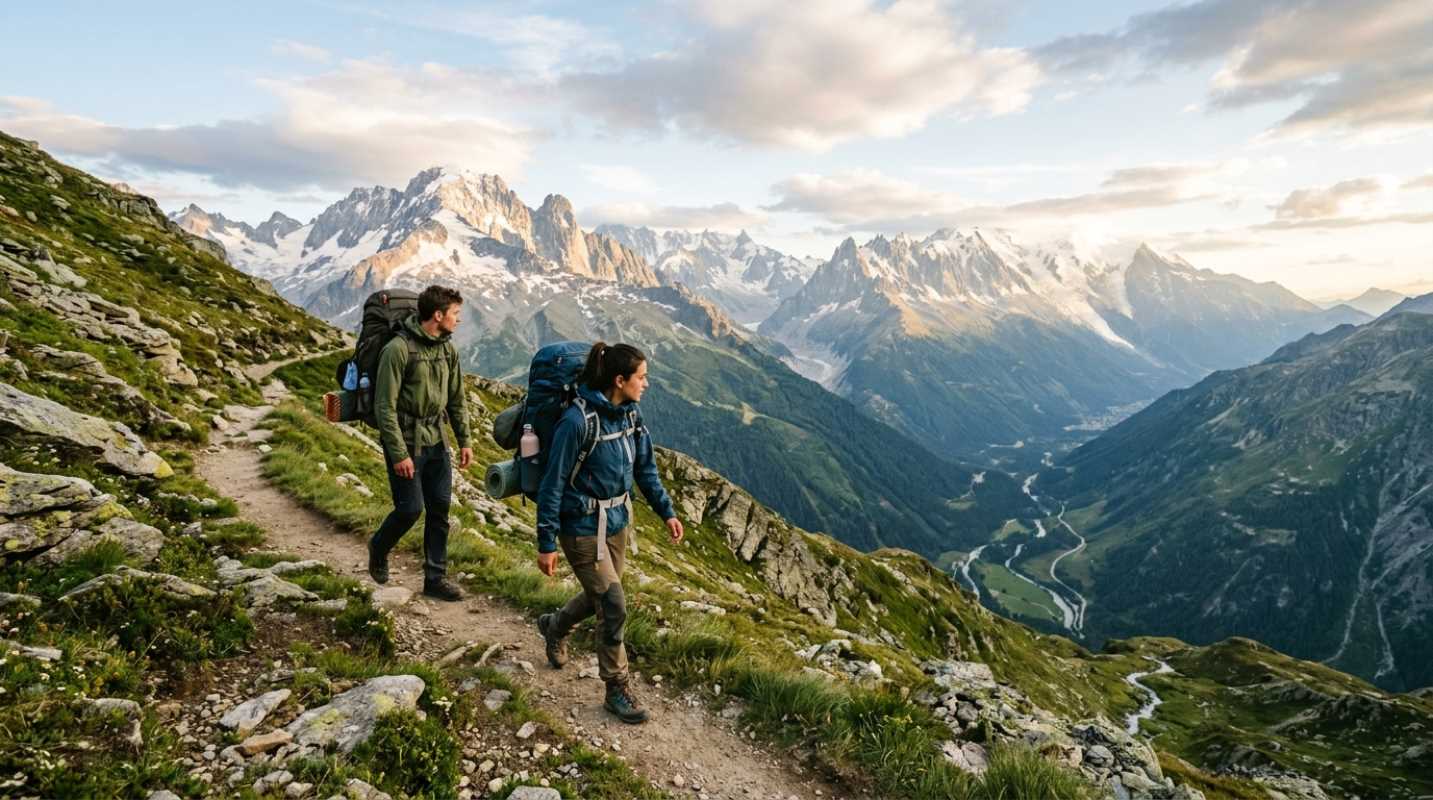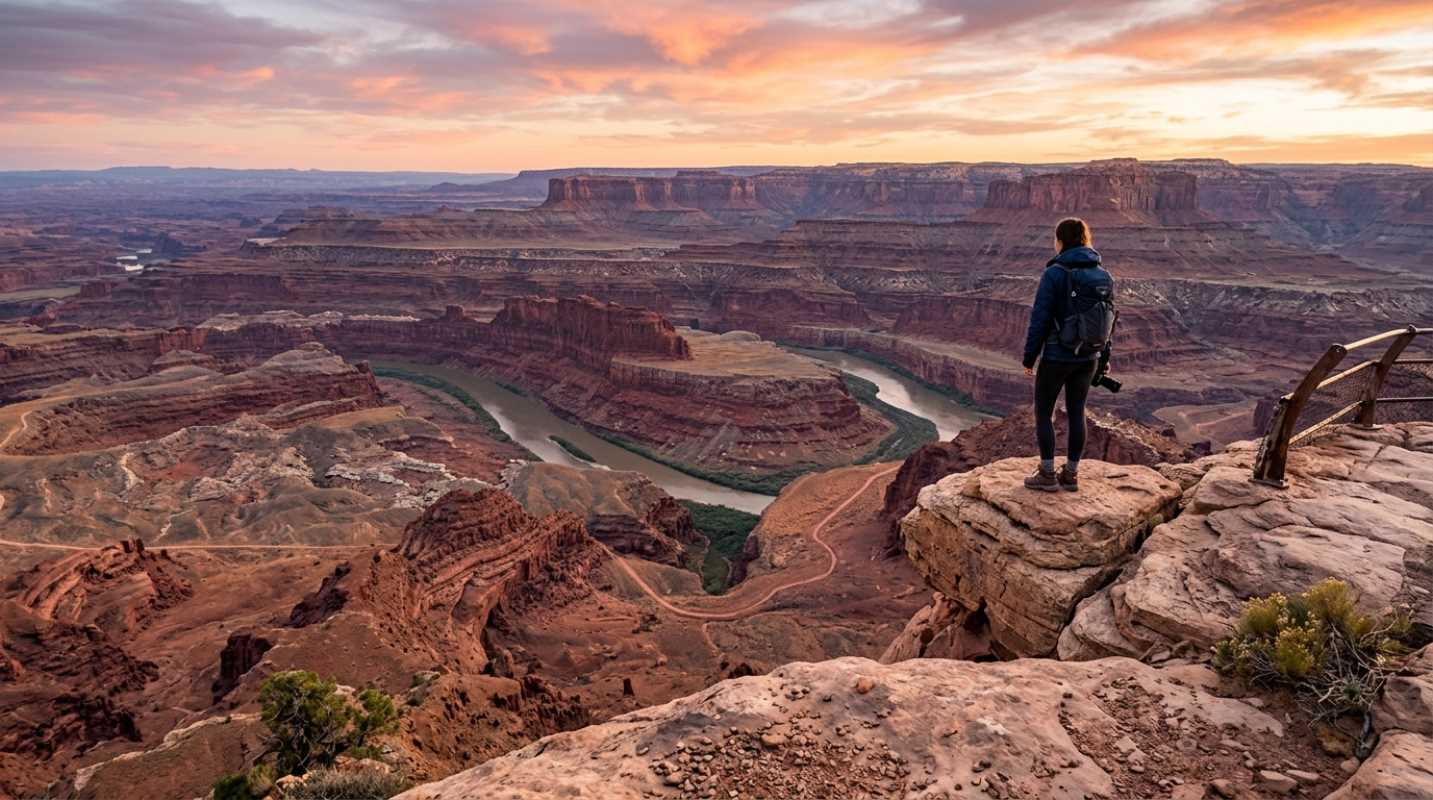
Have you ever walked up to the edge of a massive cliff, taken a look down, and felt your heart step into your throat? That sudden drop beneath your feet does something to your brain. It resets your perspective instantly. Massive earth fissures, carved out by rivers over millions of years, draw millions of travelers every single year who want to feel that exact mix of wonder and adrenaline.
These geological drops offer some of the most dramatic views you'll ever lay eyes on. Whether you're peering into the deep red shadows of the American Southwest or looking across a lush green chasm in South Africa, standing on the rim of a deep gorge stays with you forever. Let's take a look at the most incredible canyon destinations on earth, how to explore them safely, and how to bring home photos that actually do them justice.
Giants of the West: Grand Canyon and Zion
When you think of huge chasms, the Grand Canyon in Arizona is almost certainly the first image in your mind. And for good reason. It stretches 277 miles long, opens up to 18 miles wide, and drops over a mile straight down to the Colorado River, bringing in around 4.7 million visitors every year.¹ You can read about those numbers all day, but nothing prepares you for standing on the rim in person.
If you want the best photo spots along the South Rim, head over to Hopi Point for clear westward views during sunset, or hit Mather Point and Yavapai Point early in the morning for sweeping 180-degree sunrise views.² If you want to escape the biggest crowds, drive up to Point Imperial on the North Rim. At 8,803 feet, it's the highest spot on either rim, giving you sweeping views of the Painted Desert.
For hikers, the Bright Angel Trail down to Plateau Point offers a classic 12-mile round trip into the gorge. If you're an elite athlete looking for a true challenge, the Rim-to-River-to-Rim trek combining South Kaibab and Bright Angel covers roughly 16.5 grueling miles.
Just a few hours north in Utah, Zion National Park and the surrounding desert offer a completely different visual experience. Instead of looking down into a vast open expanse, places like Zion's Narrows, Lower Antelope Canyon, and Buckskin Gulch put you right inside the sheer rock walls. Buckskin Gulch stretches over 15 miles as one of the longest continuous slot canyons on Earth, featuring twisting sandstone walls that squeeze down to just a few feet wide while soaring 500 feet above your head.
Hidden Gems and Global Wonders
The American West doesn't hold a monopoly on world-class chasms.³ Crossing the Atlantic brings you to France's Gorges du Verdon, often called the Grand Canyon of Europe. This limestone rift drops up to 2,296 feet deep across a 15-mile stretch. The star of the show here is the Verdon River itself, which glows with an intense turquoise color due to glacial minerals in the water. You can drive the Route des Crêtes loop to check out 14 distinct lookouts or hike the 8.7-mile Sentier Blanc-Martel trail along the canyon floor.
Heading south to Africa reveals two massive surprises
• Fish River Canyon (Namibia): As the second-largest canyon on earth, it runs 100 miles long and drops 1,800 feet. The view from Hobas Lookout over Hell's Bend is unforgettable. Backpackers can tackle the 53-mile Fish River Canyon Trail, though it's only open from May to September due to extreme desert heat.
• Blyde River Canyon (South Africa): Dropping 2,625 feet, this is one of the largest green chasms on the planet, covered in thick subtropical plants. The Three Rondavels, three giant round rock structures shaped like traditional huts, provide an incredible backdrop for late afternoon photos.
If you prefer island scenery, Waimea Canyon on the Hawaiian island of Kauai is known as the Grand Canyon of the Pacific. Spanning 10 miles long and 3,000 feet deep, its reddish volcanic rock pairs with bright green mountain foliage. Hit the Waimea Canyon Overlook early in the morning before trade winds roll in low clouds.
Mastering the Terrain: Hiking Tips
Exploring these giant formations requires respect for nature. Canyons trap heat and disorient even experienced outdoorsy folks. Keep these core rules in mind before stepping onto the trail
• Watch the temperature inversion: Down inside a canyon, temperatures can easily run 20°F to 30°F hotter than at the rim. What feels like a breezy 75-degree day up top can turn into a dangerous 100-degree oven at the bottom.
• Pack plenty of water: Carry at least one liter of water per person for every hour you plan to hike, and bring electrolyte packets to replace lost salts. Remember the golden rule of canyon hiking: down is optional, but up is mandatory.
• Time your hike carefully: Avoid trekking during peak UV hours between 10:00 AM and 4:00 PM in hot months. Start at first light to beat the mid-day heat.
• Practice Leave No Trace: Canyon environments are fragile. Sandstone erodes quickly, and desert soil crusts take decades to recover if stepped on. Pack out all trash and stick strictly to marked paths.
Capturing the Edge Photography and Safety
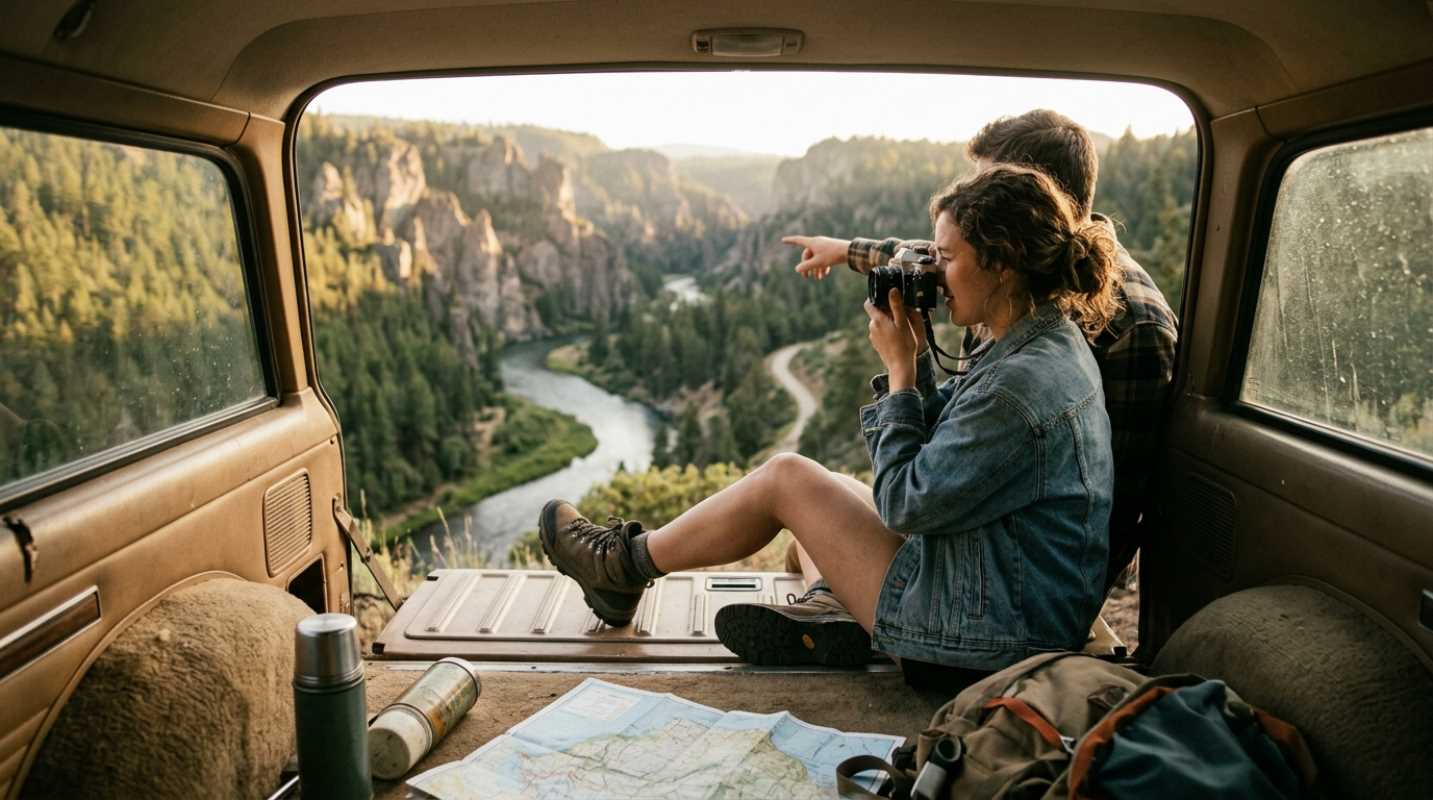
Taking pictures of deep chasms is notoriously tricky. Your eyes take in the massive scale effortlessly, but camera sensors often flatten out the depth. Here is how to lock in incredible shots without putting yourself in danger
To capture scale on wide-open rims, use a wide-angle lens between 16mm and 35mm. Frame your photo with something in the immediate foreground, like a twisted pine branch or a nearby rock ledge. This gives the viewer's eye an anchor point to process the drop behind it. Sunset and sunrise golden hours reveal rich colors on the canyon walls that flat mid-day light washes out.
Inside narrow slot canyons like Antelope, the lighting rules flip completely. Head inside between 10:00 AM and 2:00 PM when sunlight shoots straight down through the ceiling cracks, creating light beams. Set your white balance to Shade or Cloudy to emphasize the warm orange glow of light reflecting off sandstone walls. Because fine dust is everywhere inside these narrow slots, keep your camera gear protected and avoid changing lenses inside the slot.
Safety always comes before the picture. Never stand on loose sandstone edges or lean over unmaintained drop-offs just to get a wider angle. Sandstone crumbles without warning. In slot canyons, always check regional weather reports within a 50-mile radius. Flash floods can rush through tight slots within minutes from rain storms miles away, giving you zero time to react.
Your Next Great Adventure
Standing on the brink of an ancient chasm reminds us how small we are and how powerful natural forces truly are. From the fiery sandstone cliffs of Arizona to the green cliffs of South Africa, these geological marvels offer memories that stay clear in your mind for decades.
Planning your trip takes some work, whether that means booking guided slot canyon tours months ahead or getting certified medical clearance for remote African treks. Respect the environment, pack the right gear, and step up to the edge with confidence. The view from the top is waiting for you.
Sources:
1. Grand Canyon Overview
https://www.thecanyon.com/viewpoints
2. Grand Canyon Photography Spots
https://explorethecanyon.com/10-needed-grand-canyon-photography-spots-and-scenic-viewpoints-every-visitor-should-know/
3. World Canyon Destinations
https://pandotrip.com/top-10-canyons-1435/