Have you ever poured a glass of wine and wondered about the exact hill where those grapes grew? Wine travel connects you directly to the earth, the climate, and the people behind every bottle. You get to walk through rolling fields, chat with passionate winemakers, and taste vintages right at the source.
The global popularity of wine tourism has exploded over recent years. Reports show that two out of three wineries now consider tourism profitable, bringing in roughly 25 percent of their overall revenue.¹ Travelers are looking for authentic human connections and eco-friendly estates rather than quick, generic sip-and-go operations. Whether you are a casual enthusiast or someone who keeps a cellar at home, visiting world-class wine destinations offers a fresh lens on global culture.
Old World Elegance in Bordeaux and Tuscany
If you love history with your red wine, Europe's classic wine capitals are hard to beat. Bordeaux sits near the Atlantic coast of southwestern France, home to grand châteaux that look like historical landmarks. Walking through estates in Pauillac or Saint-Émilion gives you a front-row seat to hundreds of years of winemaking traditions. You will taste complex blends dominated by Cabernet Sauvignon and Merlot while learning how maritime breezes shape the grapes.
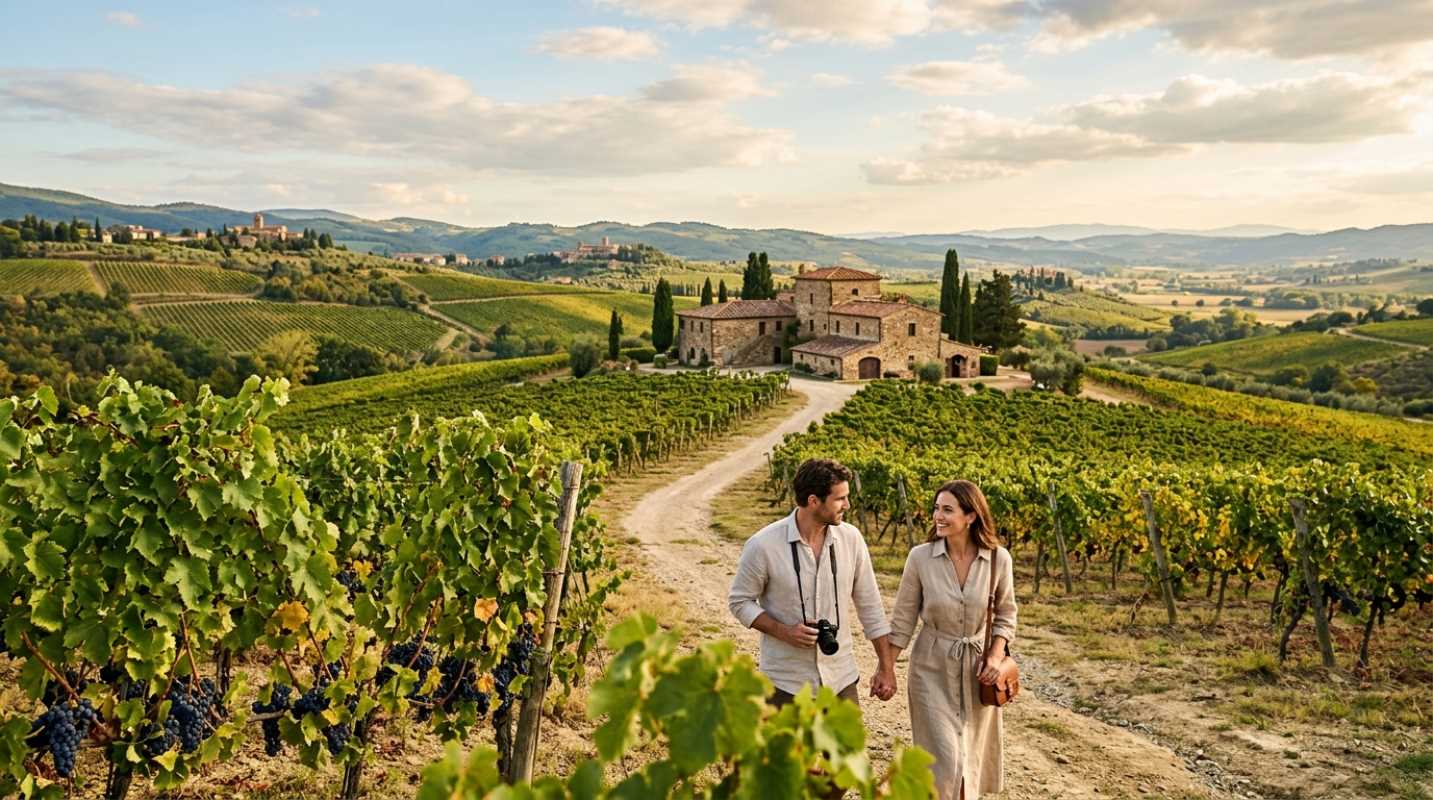
Across the border in Italy, Tuscany delivers a completely different feel. Sun-drenched hills, cypress trees, and stone farmhouses define the countryside. Here, Sangiovese rules, powering famous bottles of Chianti Classico and Brunello di Montalcino. The local culinary tradition matches the wine step for step. You can sit down to a simple lunch of fresh pasta, regional olive oil, and cured meats that makes every sip taste even better.
To avoid tourist traps in these historic areas, step away from the primary town squares when picking a lunch spot. Book small, family-owned estates off the main highway where the owners still lead the cellar tours themselves.
New World Dynamism in Napa Valley and Marlborough
New World wine regions offer a distinct energy focused on top-tier hospitality and modern production. Napa Valley in California leads the pack for high-end wine experiences. Packed into a 30-mile strip of land, Napa boasts bold Cabernet Sauvignon, Michelin-starred dining, and sleek tasting rooms. You get high-touch service, tailored private tastings, and striking architecture around every bend.
On the southern edge of the globe, Marlborough, New Zealand, sits on the opposite end of the spectrum. Surrounded by coastal views and jagged mountain backdrops, Marlborough put New Zealand on the global map with its punchy, refreshing Sauvignon Blancs. Winemakers here embrace modern technology and sustainable practices while maintaining a relaxed, welcoming atmosphere.
These regions are ideal if you appreciate great infrastructure, easy navigation, and winemakers who aren't afraid to break traditional rules to create great bottles.
Mastering Logistics and Planning Your Wine-Tasting Itinerary
Planning a vineyard trip can feel a lot like if you try to pack in too much. The biggest mistake travelers make is squeezing five or six stops into a single day. By mid-afternoon, your taste buds get tired, and every pour starts tasting identical. Follow the simple "Rule of 3" instead to keep things enjoyable
• Morning stop: Book a quiet boutique winery around 10:30 AM for your first structured tour.
• Midday feast: Reserve a relaxed vineyard lunch paired with local wines around 1:00 PM.
• Afternoon finale: Visit an iconic estate around 3:30 PM to wrap up the day.
Transportation is another important piece of the puzzle. Strict zero-tolerance rules on drinking and driving exist in places like France, Spain, and Chile. Avoid safety risks by hiring a private local driver, joining a small group tour, or hopping on regional options like the Napa Valley Wine Train.
Remember that the days of dropping in unannounced are mostly over. Most high-end wineries require reservations at least two to four months in advance. Booking ahead guarantees you get dedicated attention rather than standing at a crowded counter.
When visiting, keep simple tasting etiquette in mind. Spitting into provided dump buckets is standard practice for professionals and allows you to taste a wider selection safely. Match every glass of wine with an equal glass of water, and avoid wearing strong perfumes or colognes, as heavy fragrances mess with the subtle aromas of the wine.
For bringing your favorite bottles home, do not rely on standard luggage packing. Purchase specialized foam inserts or hard-shell wine suitcases designed for checked baggage. Alternatively, many larger wineries offer direct international shipping with import duties covered, taking the hassle out of airport customs.
Best Times of Year for Vineyard Tours
Timing your visit depends heavily on which hemisphere you choose and what kind of trip you want
• Harvest season (Crush): Runs from September to October in the Northern Hemisphere and February to April in the Southern Hemisphere. The energy in the air is electric as workers pick grapes and crush pads buzz with activity. The trade-offs? Winemakers are intensely busy, accommodation rates spike, and crowds reach peak levels.
• Shoulder seasons (Spring and Autumn): Provide mild weather, striking seasonal leaf changes, and lower rates. Spring brings flowering vines and fresh bottle releases, while late autumn offers quiet cellars and golden views.
• Winter quiet: Runs from November to March in Europe and May to August down south. Vines are dormant, but winemakers actually have time to chat by the fireplace, offering cozy, intimate tours at lower prices.
Raise a Glass to Your Next Adventure
Wine travel has a unique way of lingering in your memory long after your bags are unpacked. Every bottle you open back home brings back the scent of damp soil, the cool breeze through the vines, and the conversations you shared with the people who made it.
Do not hesitate to look beyond the classic hot spots, too. Emerging regions are making major noise globally. Estates like Bodegas Marqués de Riscal in Spain feature world-recognized architecture and heritage vintages, while spots like Creation Wines in South Africa's Hemel-en-Aarde region draw crowds for cool-climate Chardonnay and Pinot Noir.² Rising stars like Plovdiv in Bulgaria offer thousands of years of winemaking history alongside indigenous grapes like Mavrud.³
Prioritize meaningful experiences over checking off a massive list of cellars. Choose two or three memorable estates per day, stay hydrated, and stay curious. Your next great adventure is waiting right inside the glass.
Sources:
1. Wine Tourism Statistics
https://winetravelguides.com/wine-tourism-statistics
2. The World's Best Vineyards
https://www.decanter.com/wine-news/the-worlds-best-vineyards-2024-revealed-543319/
3. Best Wine Destinations
https://www.forbes.com/sites/joanneshurvell/2025/03/18/10-of-the-best-wine-destinations-in-2025-recommended-by-european-best-destinations/