When you hear the word safari, what springs to mind? You probably picture an open-top 4x4 bouncing across the Serengeti while lions lounge on dusty rocks. That classic African adventure is famous for good reason, but it isn't the only option on the map.
Africa doesn't hold a monopoly on incredible wildlife encounters. Across the globe, vast biomes host apex predators, massive animal gatherings, and ancient habitats that rival any traditional game drive. The global wildlife tourism market is growing toward nearly $381 billion by 2033, driven by travelers looking for unique wildlife adventures beyond the usual savanna routes.
So where should you look if you want to trade lion sightings for wild jaguars, Bengal tigers, or polar bears? Here's the finest wildlife safaris outside the African continent.
Top Safari Destinations Outside of Africa
If you're willing to venture off the beaten path, these global hotspots deliver world-class animal tracking experiences across riverways, rainforests, and arctic ice.
• The Pantanal, Brazil: Spanning nearly 200,000 square kilometers, this enormous tropical wetland is the absolute best place on Earth to see wild jaguars. Boat safaris along the Cuiabá River corridor around Porto Jofre report a 90% to 98% sighting success rate during the dry season.³ You'll also spot giant river otters, capybaras, and caimans floating along the banks.
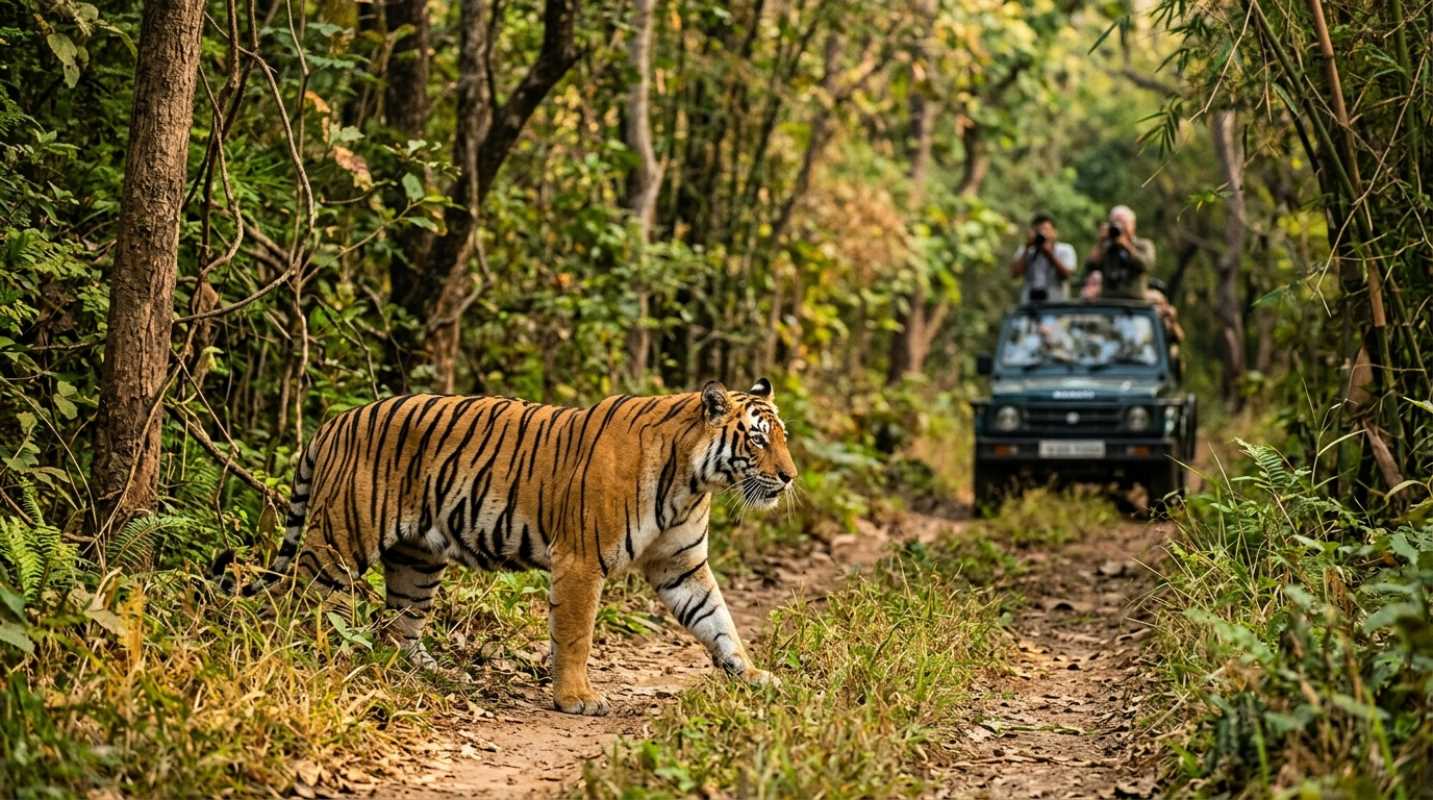
• India's Tiger Reserves: India hosts roughly 75% of the wild tiger population. National parks like Kaziranga host dense tiger populations alongside over 2,600 Greater One-horned Rhinoceroses.¹ Meanwhile, reserves such as Ranthambore shelter around 80 to 88 tigers, giving travelers a great chance to track these big cats through dry deciduous forests.²
• Sri Lanka: Yala National Park holds one of the highest densities of wild leopards on the planet, with roughly one cat per square kilometer. Nearby, Minneriya National Park hosts the Great Elephant Gathering from August to September, where hundreds of wild Asian elephants gather around an ancient reservoir.
• Malaysian Borneo: In Sabah's Danum Valley and Deramakot Forest Reserve, you'll walk through 130-million-year-old rainforests. Guided night safaris in open 4x4s give you a rare chance to spot Bornean orangutans, pygmy elephants, and nocturnal predators like the Sunda clouded leopard.
• Svalbard, Norway: Up in the high Arctic, the Spitsbergen archipelago sits in a frozen world. Svalbard is home to roughly 3,000 polar bears, which actually outnumber human residents. Summer expedition cruises handle through ice floes to track polar bears, walruses, and Arctic foxes under the midnight sun.
Choosing the right guide makes all the difference when tracking elusive animals. Here are top-rated outfits specializing in non-African safaris
Needed Wildlife Viewing Tips and Best Seasons
Timing is everything when you travel for wildlife. Unlike the dry and wet season patterns of East Africa, non-African regions operate on wildly different climate calendars.
• Track the Dry Windows: Predators cluster around remaining water sources when rains stop. Hit the Pantanal from July to October for clear jaguar sightings. Visit India between March and May, when thinning jungle foliage makes tigers far easier to spot.
• Embrace Night Safaris: Dense tropical rainforests like those in Borneo hide most of their creatures during daylight hours. Book tours offering authorized night drives, which use spotlights to find sleeping primates and hunting civets.
• Target Shoulder Seasons: Traveling right before or after peak season often gives you ideal weather without the crowds. Early dry season months deliver lush green backgrounds for photography while keeping safari vehicles sparse.
• Pack Proper Optics: Deep jungles and open Arctic sea ice both demand good glass. Bring a sturdy pair of 8x42 or 10x42 binoculars and a long camera lens rather than relying on your guide to pull closer to timid animals.
• Practice Patience: Tracking a Bengal tiger through Indian thickets or a clouded leopard in Borneo requires hours of quiet watching. Enjoy the rustle of the canopy and the warning calls of deer instead of rushing from spot to spot.
How to Choose an Ethical Tour Operator
As wildlife travel expands, greenwashing becomes a real concern. Responsible safaris keep animal welfare and local conservation ahead of photo opportunities. You can spot an ethical provider by checking a few important details
• Strict Observation-Only Rules: Avoid any operator offering direct contact. True ethical safaris never allow petting big cat cubs, riding elephants, or hand-feeding wild animals to draw them closer.
• Clear Proximity Limits: Respectful guides keep a safe distance. In places like Svalbard, official regulations enforce distance buffers between 300 and 500 meters from polar bears to prevent disturbing their natural behavior.
• Crowd Management Tactics: Heavy jeep traffic stresses wildlife in places like Yala or Porto Jofre. Choose operators who limit vehicle numbers, turn off engines during sightings, and share animal locations responsibly instead of radioing crowds to a single spot.
• Third-Party Certifications: Look for operators recognized by reputable organizations such as the Global Sustainable Tourism Council, Global Federation of Animal Sanctuaries, or the Association of Arctic Expedition Cruise Operators.
• Local Community Support: Conservation works best when local people benefit. Make sure your safari fee supports native guides, park protection fees, and community-led conservation efforts.
Planning Your Unconventional Safari
Trading the traditional savanna for a riverboat in Brazil or a frozen expedition vessel in Norway opens up a whole new world of adventure. You don't need to limit your wildlife dreams to a single continent when our planet offers such rich variety.
When you plan your next trip, focus on slow, intentional travel. Choose operators who protect fragile habitats, respect the animals, and support local communities living alongside wild populations.
Taking a safari beyond Africa changes how you view wild spaces. Whether you're listening to the call of a hornbill in Borneo or watching a jaguar slip into a river, these encounters leave an impression that lasts a lifetime. Where will your wild spirit take you next?
Sources:
1. Kaziranga Tiger Population
https://www.kaziranga-national-park.com/blog/ascending-tiger-population-kaziranga/
2. Ranthambore Tiger Population Increases
https://www.ranthamborenationalpark.com/blog/ranthambore-tiger-population-increases/
3. Flashpacker Connect Jaguar Guide
https://www.flashpackerconnect.com/blog/the-ultimate-guide-to-jaguar-viewing-tours-in-brazils-pantanal