 (Image via
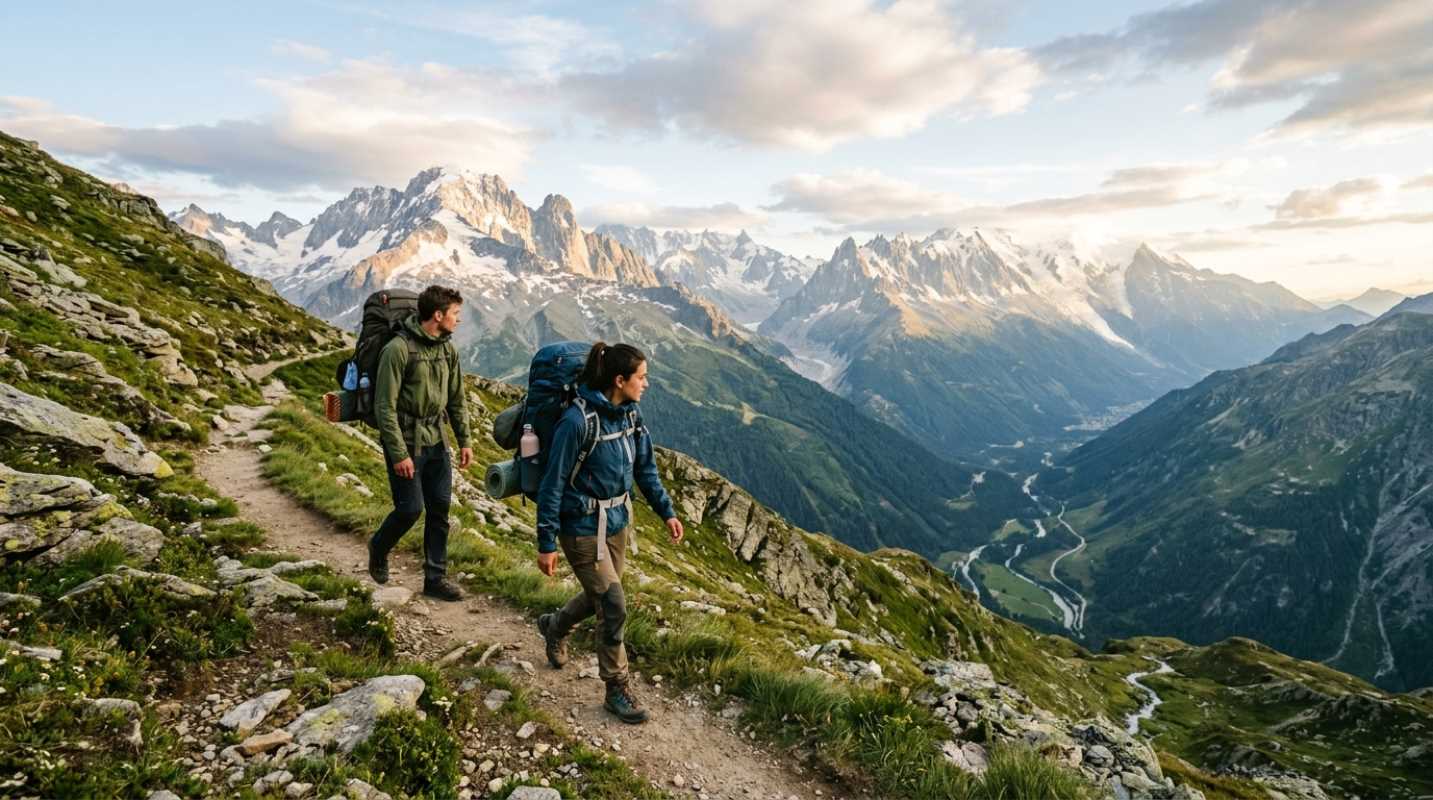
Have you ever looked at a jagged horizon and felt an undeniable pull toward high altitudes? Mountain climbing has a way of stripping away everyday noise. When you are standing on an exposed ridge with thousands of feet of open air below you, your entire world shrinks to the next solid foothold and the steady rhythm of your breathing. It is raw, demanding, and immensely rewarding.
Whether you want to scramble up rocky ridges or take on glacier-covered giants, our planet has plenty of peaks ready to test your grit. The sheer physical challenge of carrying a heavy pack against gravity is what makes reaching the top feel earned. Here is a curated guide to the premier climbing destinations across the globe, featuring diverse difficulty levels and unforgettable alpine views.
The Alps in Switzerland and Alpine Beauty
Switzerland is the historic birthplace of mountaineering, and it still sets the standard for alpine climbing. Iconic landmarks like the Matterhorn and the intimidating north face of the Eiger draw climbers from every corner of the earth. These mountains offer solid granite ridges, well-maintained mountain huts, and quick access via the Swiss railway network.
The variety of difficulty levels makes the region an ideal training ground. If you are relatively new to crampons, you can tackle accessible peaks like the Breithorn alongside a certified guide. If you have years of mixed climbing on your resume, technical routes on the Eiger will push your endurance and rope handling to the absolute limit.
Climate shifts have altered traditional climbing seasons in Western Europe. Warmer summer temperatures mean rockfall is now more common during the hottest mid-summer weeks. Local mountain guides frequently recommend booking your ascents during early June or late September, when morning freezes are reliable and route conditions stay firm.
The Andes in Peru for High Altitude Adventure
If you crave remote wilderness and high-altitude expedition climbing, head straight to Peru. The Cordillera Blanca mountain range contains the highest concentration of glaciated peaks in the tropics. Mountain towns like Huaraz serve as the launchpad for multi-day expeditions where you will rarely encounter crowded trails.
Climbing in the Andes is a serious physiological test. Base camps frequently sit above 13,000 feet, which means taking time to acclimatize is needed for your safety. You cannot fly in and sprint up a mountain without risking altitude sickness. Spend your first few days in Peru hiking to high-elevation lakes like Laguna 69 to let your red blood cells catch up.
Intermediate climbers can gain valuable glacier experience on peaks like Nevado Pisco and Ishinca, navigating crevasse fields and moderate snow slopes. For expert mountaineers, technical objectives like Alpamayo demand precision ice-axe work on steep, fluted ice faces.
The Himalayas in Nepal for Extreme Endurance
Nothing prepares you for the sheer scale of the Himalayas. When you walk among the giants of the Khumbu region, towering peaks like Everest and Lhotse dominate the skyline in every direction. For many mountaineers, standing in these valleys is a deeply spiritual experience rooted in local Sherpa culture.
You do not need to attempt an 8,000-meter peak to experience the thrill of climbing in Nepal. Accessible entry points like Mera Peak at 6,476 meters and Island Peak at 6,189 meters give you an authentic taste of high-altitude mountaineering. Mera Peak is mostly a non-technical glacier walk that tests your aerobic stamina over several long days. Island Peak introduces steeper technical sections, including an exposed headwall secured by fixed ropes and aluminum ladders over crevasses.
Planning an expedition in Nepal requires paying close attention to current climbing policies. Nepal mandates that foreign climbers and trekkers hire licensed local guides, and permit registration is processed through digital verification systems.¹ Make sure you arrange your route permits and certified guide support through reputable agencies before heading into the mountains.²
The Canadian Rockies for Wilderness and Technical Routes
The Canadian Rockies deliver a raw, rugged wilderness experience that feels vastly different from the developed trails of Europe. Stretching across Banff and Jasper National Parks, these peaks feature sheer limestone cliffs, hanging glaciers, and turquoise glacial lakes resting in the valleys below.
Climbers head to Western Canada for two main pursuits: sustained alpine rock scrambles and steep ice climbing. Peaks like Mount Temple and Mount Assiniboine present long, demanding routes that require sharp navigation skills and endurance. During the colder months, the region transforms into one of the top waterfall ice climbing hubs in North America.
Weather in the Canadian Rockies can shift from clear blue skies to a driving snowstorm in less than half an hour. Self-reliance is needed here. You will carry heavy gear, manage wilderness camps, and stay aware of your surroundings in active wildlife habitats where grizzly bears roam.
Preparing for Your Next Ascent
Choosing your next destination comes down to being completely honest about your fitness, technical skill, and comfort with cold weather. Photos of sunny summits make mountaineering look easy, but the real work happens during months of unglamorous preparation at home.
Focus on these three practical fundamentals before you start packing your bags
• Cardiovascular Stamina: Build a broad aerobic base through weighted uphill hiking, stair climber sessions, and long trail runs.
• Technical Proficiency: Complete certified courses in self-arrest, crevasse rescue, and alpine knot work before you ever step onto a glaciated peak.
• Logistics and Safety: Check regional permit requirements in advance, pack a reliable satellite communicator, and leave an exact itinerary with your emergency contacts.³
Standing on a summit gives you an incredible sense of achievement, but getting back down safely is the ultimate goal. Train consistently, respect changing weather patterns, and choose an objective that challenges your abilities while keeping you safe.
Sources:
1. Your Guide to Nepal Trekking Permits and Fees
https://thebucketlistcompany.co.uk/your-guide-to-nepal-trekking-permits-and-fees/
2. Nepal Trekking Permits 2025: A Local Expert's Step-by-Step Guide
https://www.amazingnepaltrek.com/blog/nepal-trekking-permits-2025-a-local-experts-step-by-step-guide
3. International Mountain Day
https://www.nathab.com/blog/international-mountain-day
*This article on Infotable is for informational and educational purposes only. Readers are encouraged to consult qualified professionals and verify details with official sources before making decisions. This content does not constitute professional advice.*