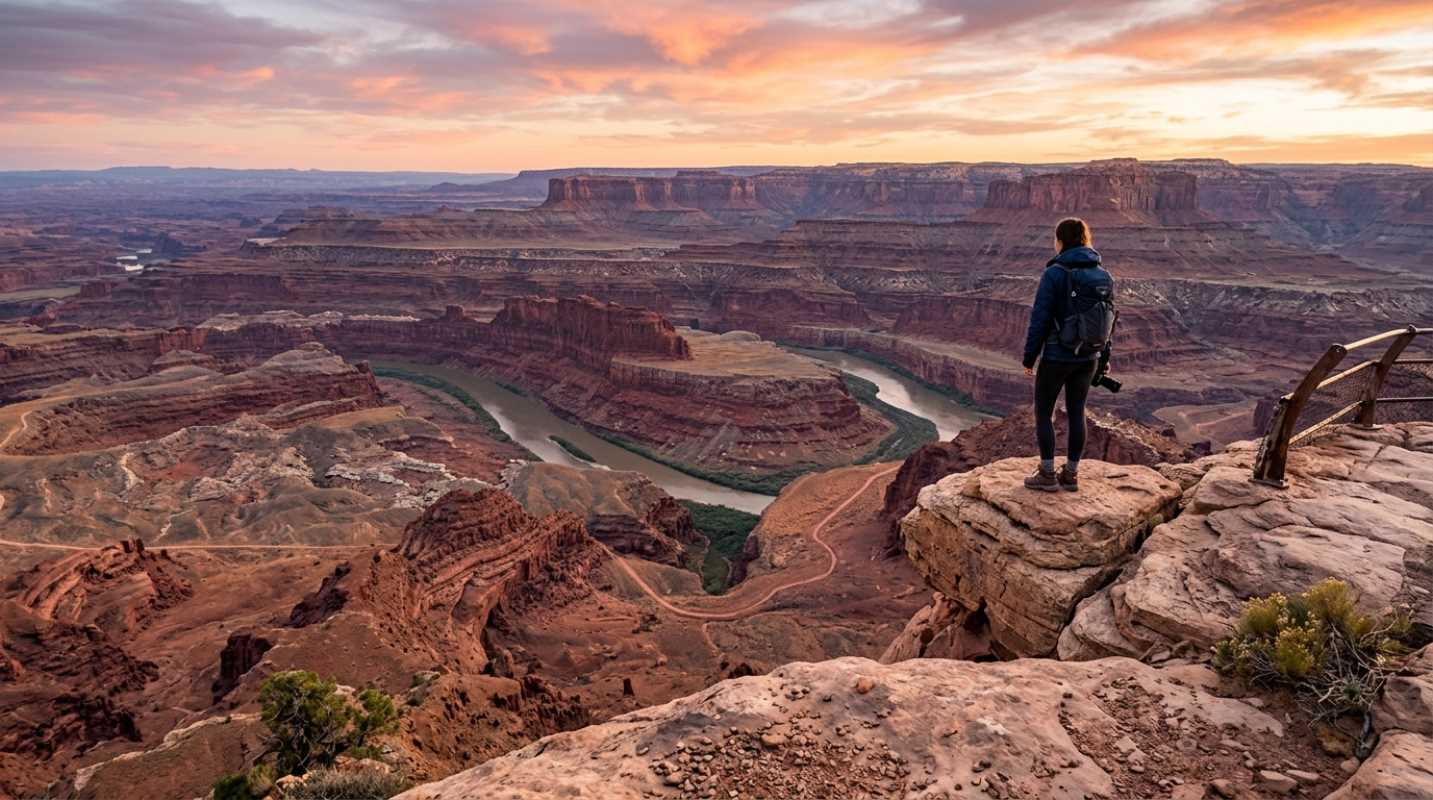
Have you ever spent your hard-earned vacation time sitting in a bumper-to-bumper traffic jam, waiting just to enter a national park? Or maybe you have jostled for shoulder space at a crowded overlook, trying to snap a photo without twenty strangers in the frame.
You're not alone. The National Park Service reported a massive 331.9 million recreation visits in 2024, which stayed incredibly high with 323 million visits in 2025.¹ Famous spots like Zion and the Grand Canyon are practically bursting at the seams, drawing nearly five million visitors each year.² It makes you wonder: is it even possible to find quiet, untouched nature anymore?
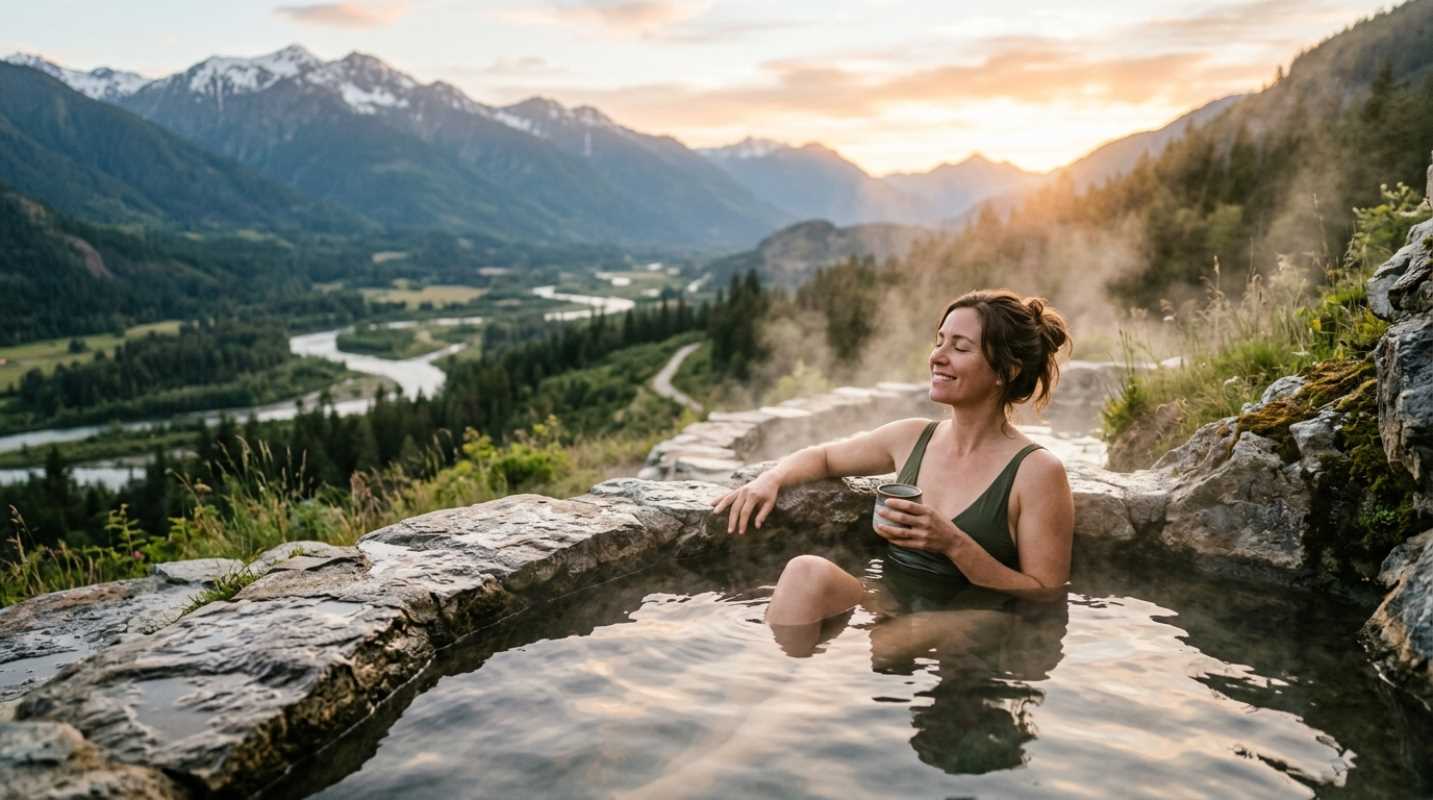
The good news is that you can. Stepping away from the crowds and finding true solitude in the wild does wonders for your mind and body. Science shows that quiet natural spaces lower your stress levels, reduce anxiety, and help you clear your head. Think of it like a hard reset for your brain. When you step away from the constant buzz of notifications and traffic, your senses wake up to the rustle of leaves and the rush of wind.
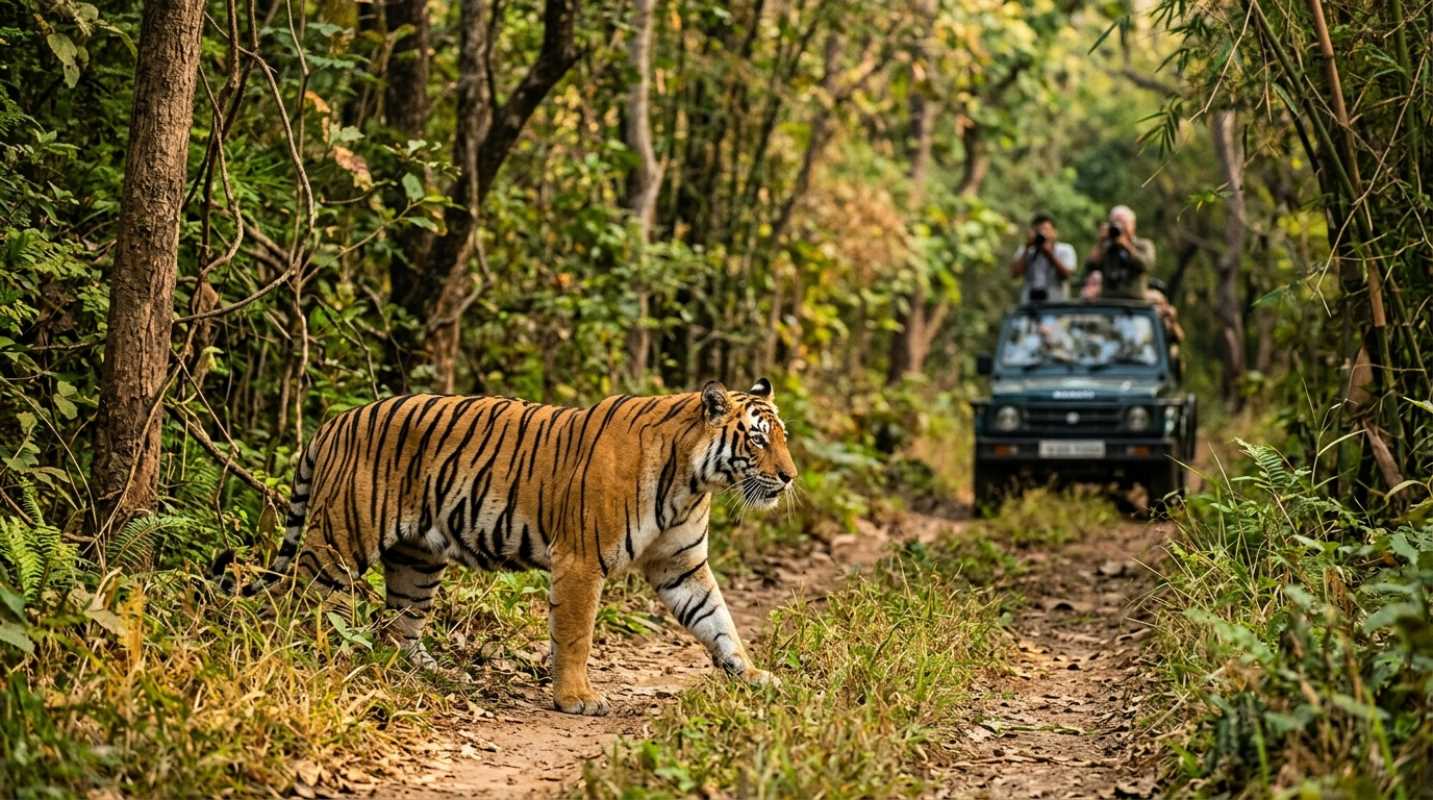
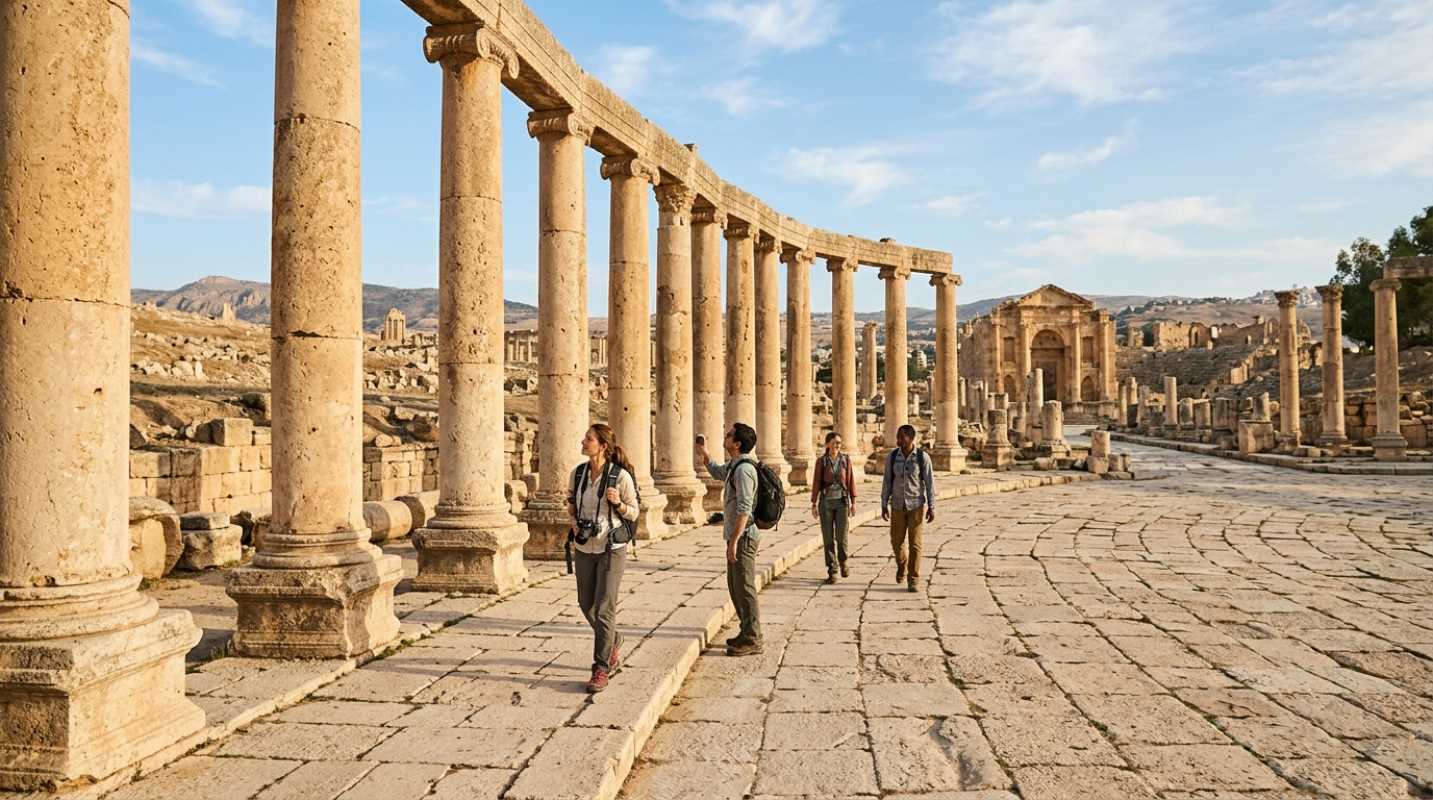
If you want to experience the true magic of the outdoors, you have to look beyond the popular tourist checklists. The most memorable adventures are waiting on the paths less traveled. When you choose a lesser-known park, you get to experience the wild on your own terms. You can hike for miles without seeing another soul, watch wildlife without a crowd of cameras, and watch the sunset in perfect peace.
North Cascades, Washington's Best-Kept Alpine Secret
Imagine towering, snow-dusted peaks that look like the Swiss Alps, but without the resort towns and ski lifts. That is the North Cascades National Park. Located just three hours from Seattle, this wilderness wonderland remains shockingly quiet.
In 2024, the park saw only 16,485 visits.³ Although that number jumped closer to 47,000 in 2025 as the area recovered from wildfire closures, it's still one of the least-visited spots in the country.³ Why does it get so little love? Mostly because it has almost no paved roads or heavy infrastructure. It's a true wilderness park, built for people who want to explore on foot.
If you are willing to hike, the rewards are spectacular. The park has over 300 glaciers, feeding alpine pools like Diablo Lake, which has a surreal turquoise color. This bright color comes from fine rock dust called glacial flour, which stays suspended in the water and reflects the light. For the best experience, plan your trip between late July and September when the snow has melted from the high trails.
• Cascade Pass: This trail gives you a front-row seat to massive glaciers and meadows filled with summer wildflowers.
• Diablo Lake Overlook: A great spot for photographers to capture the bright blue water from above without hiking.
• Sahale Arm: A steep hike for experienced adventurers that leads right to the edge of the glacial ice.
Great Basin National Park and Stargazing in the Nevada High Desert
When you think of Nevada, you probably picture flat, dusty basins or the bright lights of Las Vegas. But tucked away near the Utah border, Great Basin National Park rises like an island of green and rock out of the desert.
With just over 152,000 visits in 2024, you can easily walk for hours here without hearing another human voice.⁴ The park protects the South Snake Range, which climbs all the way up to the 13,063-foot Wheeler Peak. The drive up the mountain takes you through different climate zones, moving from desert sagebrush to cool pine forests in just a few miles.
Since the park is so isolated, it has some of the darkest night skies in the country. It has official dark-sky certification, which means the stargazing here is unmatched. Once the sun goes down, the sky turns into a brilliant display of stars and galaxies that you can't see near major cities. During the day, you can explore cool marble caverns underground or hike to see ancient bristlecone pines. These twisted, gnarled trees are older than the Egyptian pyramids, with some living for more than 4,000 years.
• Lehman Caves: A beautiful underground cavern system filled with rare rock formations and stalactites.
• Wheeler Peak Scenic Drive: A paved road that climbs over 4,000 feet in just 12 miles, offering great views of the desert below.
• Bristlecone Trail: A short hike that lets you walk among some of the oldest living things on Earth.
Dry Tortugas and A Remote Tropical Escape
If you want a tropical getaway that feels like your own private island, put Dry Tortugas National Park on your list. This park is located 68 miles west of Key West, out in the middle of the Gulf of Mexico, and it is 99% water.
Getting here is half the adventure. You have to take a seaplane or a daily ferry to reach the park, which keeps the crowds small.⁴ The main feature of the park is Fort Jefferson, a giant 19th-century brick fortress built with over 16 million bricks. It's the largest brick masonry structure in the Western Hemisphere, a silent guard over the blue water.
• Garden Key: The beach where you can walk straight into the warm water and snorkel along the historic moat wall.
• Coral Reefs: The pristine waters are home to sea turtles, stingrays, and colorful fish.
• Primitive Camping: A small number of campsites let you stay overnight on the island after the ferry leaves, giving you the beach all to yourself.
Congaree National Park and The Hidden Canopy of the South
Most people look to the western mountains when they think of scenic parks, but South Carolina has a hidden treasure of its own. Congaree National Park protects the largest remaining tract of old-growth bottomland hardwood forest in the southeastern United States.
Instead of rocky peaks, Congaree offers a completely different vibe. You will walk beneath giant bald cypress trees and loblolly pines that soar over 130 feet into the air. The forest floor is often flooded, creating a quiet, watery world that feels like a scene from another planet. It's a peaceful escape that shows you a different side of the American wilderness.
The best way to see the park is from the water. You can rent a kayak or canoe and paddle through the quiet creeks, watching for river otters, turtles, and wading birds. If you prefer to stay dry, the park has a raised boardwalk trail that loops through the swamp, letting you walk beneath the massive tree canopy without getting your feet wet.
• Boardwalk Loop Trail: A flat, elevated path that takes you deep into the heart of the ancient forest.
• Cedar Creek Canoe Trail: A marked water trail perfect for paddling through the flooded cypress trees.
• Synchronous Fireflies: A rare event in late spring where thousands of fireflies light up in perfect unison.
How to Plan Your Off-the-Beaten-Path Expedition
Ready to start planning your next trip? Traveling to these remote parks requires a bit more preparation than a standard road trip. Because these areas don't have big visitor centers, hotels, or cell service, you need to be self-sufficient.
Before you head out, make sure you pack the right gear. Always carry physical maps, plenty of water, and a reliable first-aid kit. Since many of these places have fragile environments, practicing Leave No Trace principles matters. Pack out all your trash, stay on the designated trails, and respect the wildlife you meet.
Don't spend another vacation standing in a crowded line. Choose the path of discovery and explore a side of the national parks that most people never get to see.
Sources:
1. National Park Service Reports New Visitation Record for 2024
https://natlpark.com/2025/03/national-park-service-reports-new-visitation-record-for-2024-economic-impact-of-the-parks/
2. Most Visited National Parks
https://morethanjustparks.com/most-visited-national-parks/
3. North Cascades Park Visitation
https://www.sfgate.com/national-parks/article/north-cascades-park-visitation-21938679.php
4. NPS Visitor Use Statistics Dashboard
https://www.nps.gov/subjects/socialscience/visitor-use-statistics-dashboard.htm