Have you ever stood on a quiet field, looked at the green grass, and felt a sudden chill realization of what happened right under your feet? That is the power of remembrance travel. It is not just about checking a famous destination off your bucket list. It is about connecting with the raw, human stories of those who came before us.
In 2026, we are seeing a massive shift in how people travel. We want more than just pretty beaches and standard museum tours. We want real, immersive experiences that make us think. This explains why the global war tourism market is booming, estimated to reach over 527 billion dollars this year.¹
Walking through these physical spaces helps us understand history in a way that schoolbooks never could. But how do you approach a place where thousands of people lost their lives? It requires a careful balance. You need to carry a healthy sense of curiosity while keeping a deep respect for the ground you walk on.
Planning Your Journey Preparation and Etiquette
You would not show up to an important meeting without doing a little background research first, right? The same logic applies to historic battlefields. Before you pack your bags, spend some time reading up on the history of the site you plan to visit.
Some locations have simplified or even politically influenced information on their signs. Dark tourism expert Peter Hohenhaus suggests getting the historical context beforehand so you do not rely solely on basic on-site plaques.² This preparation also helps you prepare mentally. Braden Paynter from the International Coalition of Sites of Conscience points out that these places can trigger strong emotional reactions. Knowing what you are walking into helps you manage your own feelings before you arrive.²
When you arrive, your behavior matters immensely. Remember that these are sacred spaces, not amusement parks. Here are a few simple rules to keep in mind
• Keep your voice down: Speak in quiet, conversational tones. Loud laughter or shouting is incredibly disruptive.
• Respect other visitors: Some people around you might be grieving or reflecting on family history. Give them space and privacy.
• Dress appropriately: Wear sensible clothes and sturdy walking shoes. Take off your hat when you go inside chapels or indoor memorials.
• Never touch or take: Do not climb on ruins, bunkers, or headstones. Taking even a tiny piece of brick or wire as a souvenir is a crime. Łukasz Lipiński of the Auschwitz-Birkenau State Museum notes that taking historical elements will get the police called on you.²
Should you book a guided tour or go it alone? A good guide offers deep context and stories you would otherwise miss. But self-guided tours with audio apps let you process the experience at your own pace. A mix of both is often the best approach.
Needed Military History Sites to Add to Your Itinerary
Some battlefields draw millions of people every year for good reason. Take Normandy, France. The 80th anniversary of the D-Day landings saw a massive surge of 2.5 million visits in just nine days. The official ceremony at the Normandy American Cemetery hosted over 14,000 guests and 170 World War II veterans, showing how deeply these events still resonate.
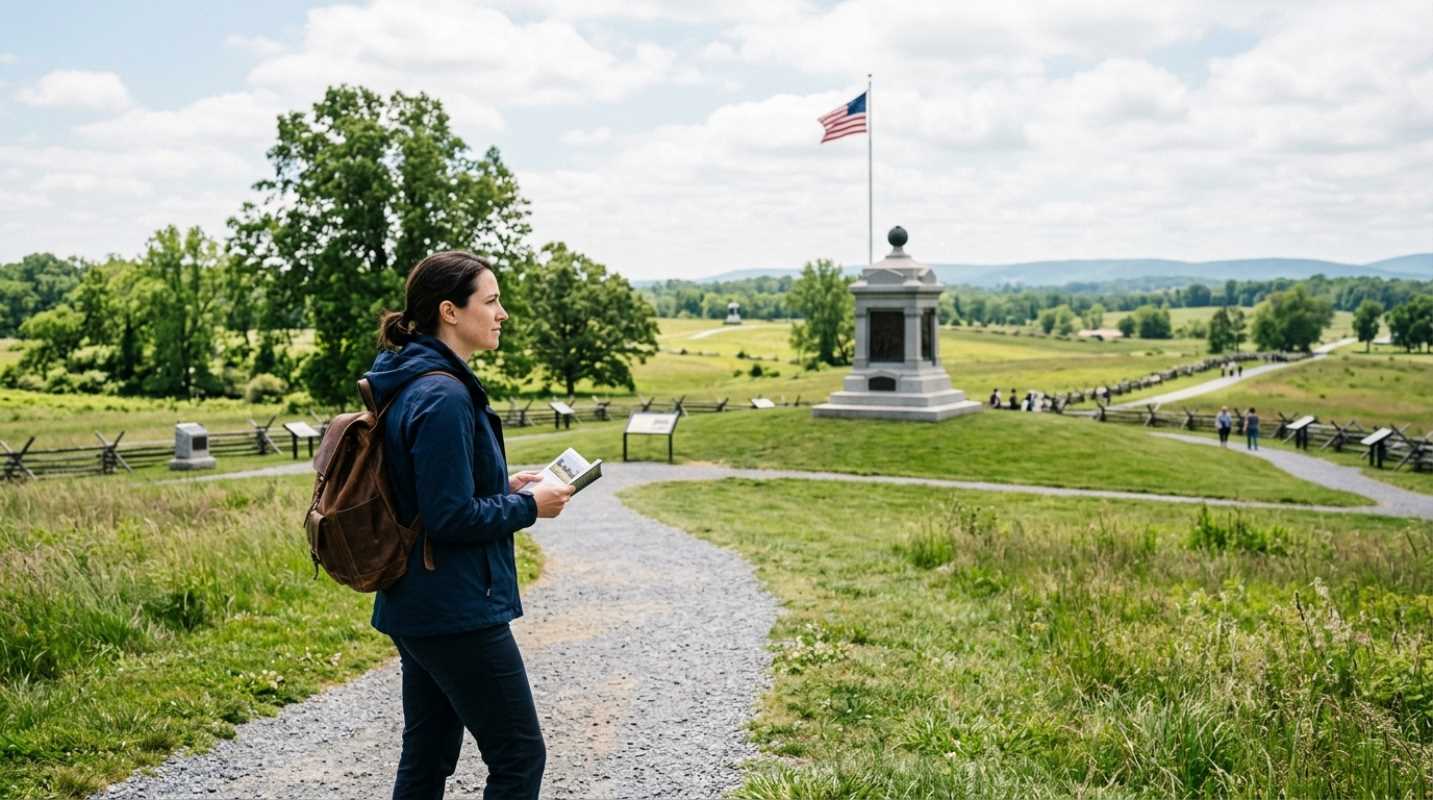
Look at the United States, where historic battlefields draw over 20 million annual visits, supporting thousands of local jobs and pumping billions into local economies.³ If you are planning your own journey, start with places that connect to your own family history. Did a relative fight in Europe during World War II, or serve in Vietnam? Vietnam's former Demilitarized Zone welcomed millions of visitors recently, showing how a former conflict zone can become a place of peaceful reflection.
Do not overlook the smaller, local memorials either. Although places like Gettysburg or Ypres are grand, a quiet local cemetery or a small regional museum often provides a more intimate, deeply personal experience.
If you are looking for organized tours or specialized gear to help you handle these historic paths, check out these highly rated options.
Connecting with the Past Immersive Learning Experiences
How do you bring a silent field back to life? Today, technology makes this easier than ever. Many parks and historic sites offer dedicated apps that use augmented reality to show you exactly where troop lines stood or where historic events unfolded. It is like having a digital time machine in your pocket.
Do not just rely on screens, though. If you see a park ranger, a local historian, or a museum curator, talk to them. These people have spent years studying the tiny details of these events. They can share the human stories that never make it into the main exhibits.
But remember to give yourself time to just sit and think. It is easy to get caught up in dates, tactics, and troop movements. Take a moment to step away from the crowd, put your phone in your pocket, and look at the surroundings. Let the weight of the history sink in.
We must also be careful with how we document these visits. Avoid lighthearted selfies, peace signs, or silly poses. Aura Sunada Newlin, who leads the Heart Mountain Wyoming Foundation, notes that they reject ghost-hunting shows because they turn real human suffering into cheap entertainment.² Treat these sites with the dignity they deserve.
Ethical travel also means supporting the communities that host these sites. Hire local guides, buy from local businesses, and respect the ongoing intergenerational trauma of the people who live there.
Carrying the Legacy Forward
Visiting a battlefield or war memorial is not a typical vacation. It changes how you look at the world and how you understand the fragile nature of peace. When you walk away from these sites, you carry a piece of that history with you.
Your responsibility as a modern traveler is to keep these memories alive. Share what you learned with your friends and family. Talk about the human cost of these conflicts. By passing these stories down, you make sure that the sacrifices made on those fields are not forgotten.
Ultimately, these trips are about more than just looking at the past. They are about understanding our present and building a more peaceful future.
Sources:
1. War Tourism Market
https://www.futuremarketinsights.com/reports/war-tourism-market
2. 10 Expert Tips for Visiting Global Sites of Remembrance
https://www.fodors.com/news/travel-tips/10-expert-tips-for-visiting-global-sites-of-remembrance
3. New Study Finds Visitation to Historic Battlefield Parks Supports $1.5 Billion in Visitor Spending
https://www.theautochannel.com/news/2026/06/11/1679921-new-study-finds-visitation-to-historic-battlefield-parks-supports-1.html